Executive Summary
The minibar is being reimagined through the convergence of technology, wellness trends, sustainability priorities, and evolving guest expectations. Top-tier hotels that succeed in generating revenue and high ratings in guest satisfaction offer luxury, curated snack experiences—not just convenience—tailored to the values of their guests and sense of place. In 2025 and beyond, the focus is on what works best for guests: curated, high-quality snacks that add value, surprise, and satisfaction to every stay.
This article explores:
The evolution of the minibar
The key trends redefining in-room snacking
The kinds of luxury snacks guests are starting to gravitate toward
How hotels can operationally implement a modern minibar model
Financial considerations and real-world examples
Frequently Asked Questions to guide decision-making
The future minibar becomes a moment of discovery and delight—a micro-journey embedded in the room stay.
The Rise, Fall & Resurgence of the Hotel Minibar
The Minibar’s Peak and Decline
When the Hong Kong Hilton installed the first in-room minibar in 1974, it was a revelation: with the addition of stocked mini fridges, the hotel reportedly saw in-room drink sales increase by 500%, and total annual revenue rise by 5%. That success led Hilton to roll out minibars broadly across its properties.
However, minibar revenue declined... In the U.S., minibar revenue declined by 28% between 2007 and 2012. A CBRE Hotels report revealed that by 2017, minibar sales accounted for only 0.4% of total food & beverage revenue.
A couple reasons were:
1. Housekeeping had to manually monitor and restock items daily, pushing up labor costs
2. Guests found the markup to cheap candy bars and potato chips egregious—e.g., soda or cheap candy bars sold at dramatic premiums versus local convenience stores or gas stations.
Why Minibars Are Making a Comeback
The minibar is making a comeback in a big way —rebuilt to meet modern guest expectations. Here’s why:
First, intelligent sensor and IoT technology now allows hotels to automate monitoring and billing, virtually eliminating many of the past operational headaches. Hotels that deploy modern “smart minibars” report ancillary revenue growth of ~25% per room. In some cases, minibar revenue becomes a notable component of Total Revenue per Available Room.
Second, the minibar refrigerator hardware market is expanding on its own. Globally, the minibar refrigerators market was valued at approximately USD 358.2 million in 2024 and is projected to grow at a CAGR of around 3.2% through 2030. Some forecasts see global market size rising from USD 348.75 million in 2023 to USD 478.75 million by 2033 (CAGR ~3.22%).
Third, travel and hospitality trends increasingly favor personalization and sustainability. Today’s guest expects curated, high-end options—not generic candy and soda. Some luxury hotels have entirely reimagined their minibar concept, replacing it with curated handmade treats and indulgences.
Finally, boutique and lifestyle properties are embracing sense-of-place curation that’s operationally simple—using bespoke branding and, where appropriate, a single regional nod item—all layered onto a consistent, scalable gourmet program.
Summary: Advances in smart tech, growing wellness expectations, and the quest for differentiation are bringing minibars back—reborn.
Pillars of the Modern Minibar Experience
To design a minibar that delights, hoteliers must lean into five key pillars. Below, each is explored in narrative form.
1. Intelligent Technology & Inventory Automation
In past eras, minibar restock and charge reconciliation demanded manual labor, error-prone checks, and guest disputes. Today’s smart minibars replace much of that burden. Infrared, weight-sensitive, or RFID-enabled shelves automatically detect when items are removed and communicate this information to billing systems. The hotel seamlessly charges the guest (or prompts confirmation) without human intervention.
Beyond automation, these systems yield real-time analytics, including which items move fastest, which don’t sell, and how usage patterns vary by room type or stay duration. These insights enable hotels to optimize assortments, minimize waste, and refine margins.
Some advanced systems even integrate with guest mobile apps, letting guests preview minibar contents, view prices, or even reserve items ahead of arrival. This fusion of physical product and digital interface turns the minibar into part of the hotel’s in-room experience ecosystem.
In sum, technology transforms the minibar from a logistical burden into a nimble, data-driven amenity.
Summary: Automating billing and tracking reduces labor and errors, while analytics enable smarter assortment decisions.
2. Premium, High-Quality Ingredients & Craftsmanship
Today’s travelers are more discerning than ever—and far less forgiving of snacks that feel mass-produced, low in quality or found at the corner gas station. Modern minibars must evolve to reflect this expectation for refinement.
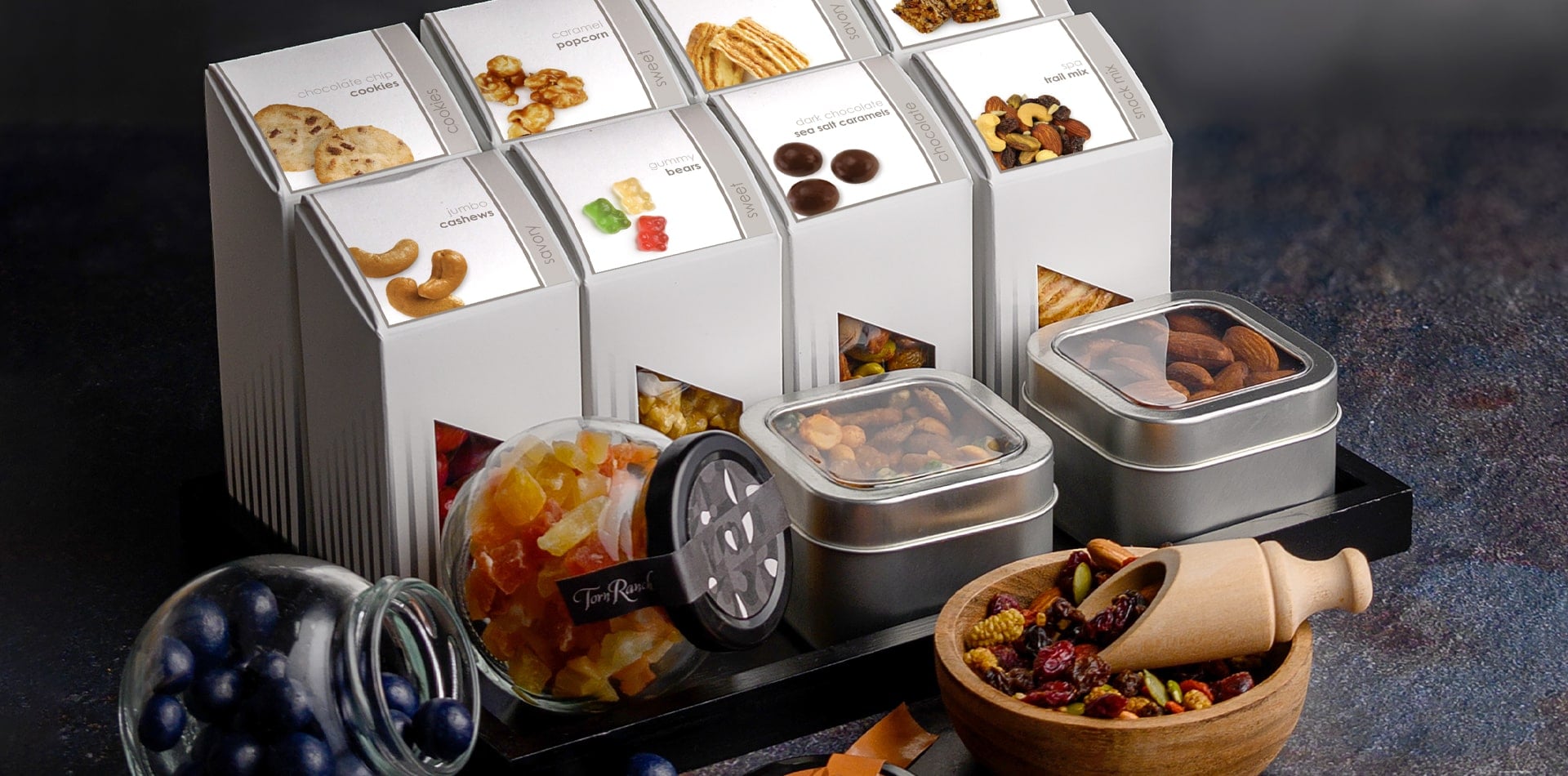
Imagine opening the minibar to discover snacks that mirror the experience of a high-end gourmet market: hand-roasted nuts, single-origin dark chocolats, small-batch caramels, and dried fruit sourced from select orchards. Every item signals quality through its texture, aroma, and packaging—crafted, not manufactured.
Hotels that elevate from commodity convenience store brands to premium, artisanal selections experience stronger guest engagement and a higher perceived brand value. Independent travel surveys show guests are willing to pay more for high-quality, responsibly made products—and properties featuring artisanal, well-crafted in-room snacks score measurably higher on guest-experience ratings.
To compete, snack selections must exude craftsmanship, authenticity, and attention to detail—using premium ingredients, elegant design, and thoughtful sourcing. The future minibar should showcase culinary artistry and quality that guests can both see and taste, avoiding the trap of “luxury-looking junk food.”
Summary: Guests equate premium, high-quality minibar offerings with a sense of care, authenticity, and sophistication—making craftsmanship the new benchmark for in-room indulgence.
3. Sustainability: The New Standard for Premium Minibars
Guests increasingly equate luxury with responsibility. A modern minibar should signal care for the planet without sacrificing polish.
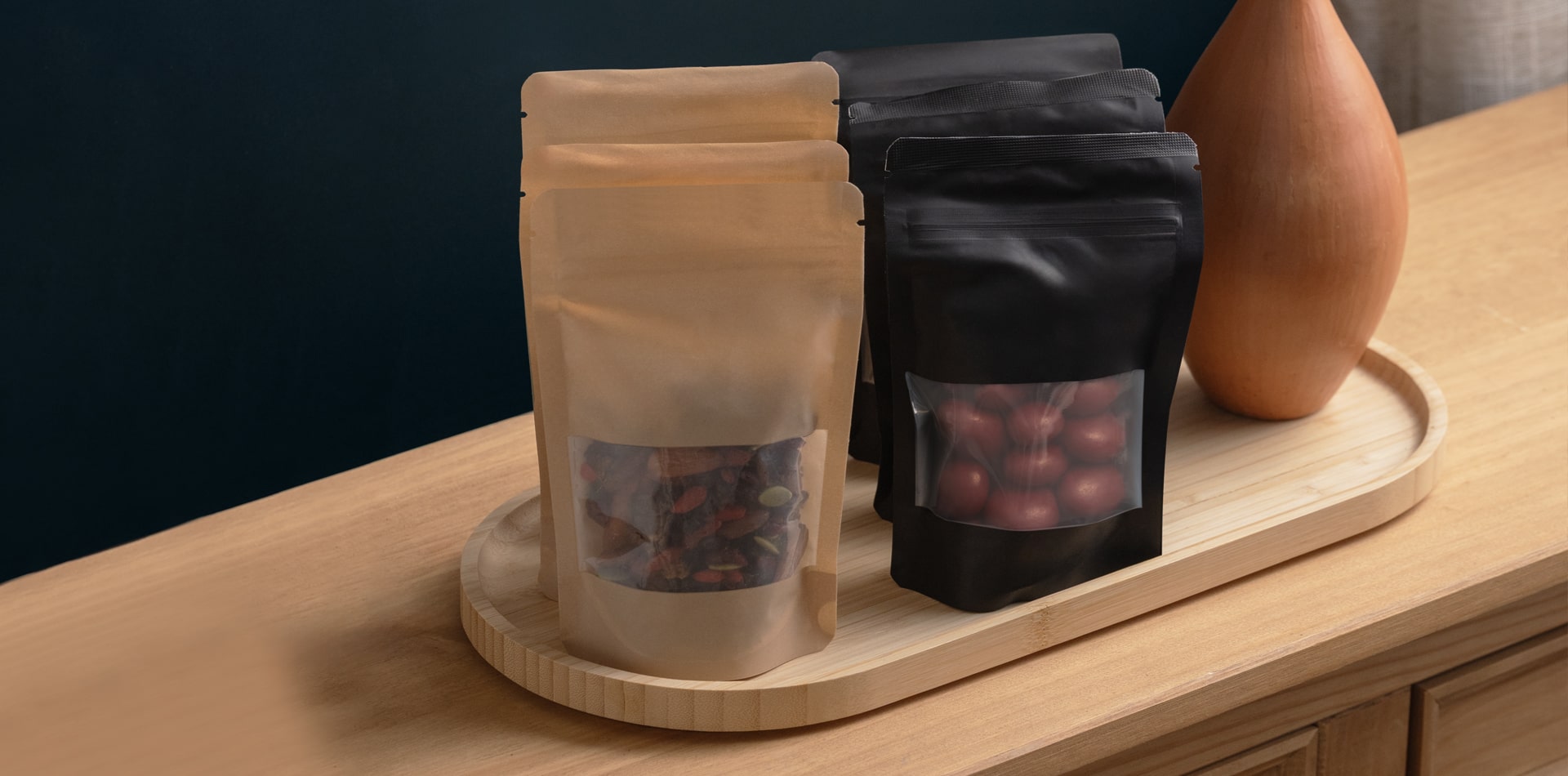
Packaging: Favor recyclable tins, paperboard, glass jars, and compostable stand up pouches; minimize plastics.
Right-Sizing & Waste: Choose shelf-stable, portion-controlled items to reduce spoilage; use smart-system data to stock what sells.
Energy Efficiency: Specify efficient units with smart temperature control or occupancy-linked modes; maintain door seals/ventilation.
Ingredient Transparency: Highlight quality and ethical standards from a food manufacturer with SQF certifications
Summary: Sustainability isn’t a trend; it’s a baseline. Thoughtful packaging, right-sizing, efficient hardware, and transparent standards make the minibar a quiet proof point of your brand’s values.
4. Personalization & Sense of Place
The best minibar isn’t faceless—yet it doesn’t require a patchwork of local suppliers. Create a sense of place through custom branding (e.g., skyline art, logos, palette-matched labels) and, where appropriate, one regional nod item (e.g., a peach gummy candy in Georgia, pecans in Texas, cranberries in Massachusetts) layered onto a consistent core assortment proven to sell. Apply loyalty/profile data to tailor swaps (e.g., gluten-free) and rotate seasonal themes (citrus in summer, spiced in winter) to keep the experience fresh.
Summary: Branded storytelling and one tasteful regional nod deliver place—without operational complexity.
INTERESTED IN WORKING WITH US?
Send us your details and we'll be happy to start a conversation with you!
5. Sustainable Packaging & Energy Efficiency
Environmental responsibility is now table stakes. Any new minibar strategy must consider both the packaging of snacks and the energy footprint of cooling units.
On the snack side, compostable packaging, biodegradable films, minimal/no plastic, glass and recyclable boxes help align with guest sensibilities. From the cooling side, energy-efficient compressors, vacuum-insulated walls, and intelligent temperature controls reduce operational overhead and support sustainability goals.
Summary: To endure, minibars must align with sustainability—both in snack packaging and refrigeration tech.
6. Elevated Snack Experiences: Design, Pairings & Storytelling
The snack itself must feel part of the luxury stay. Gone are the days when chips, convenience store candy bars in plastic wrappers, and soda suffice. Guests now expect an experience that includes beautiful packaging, sophisticated flavor profiles, and aesthetically pleasing design.
Hotels with upscale minibar offerings often position them not as revenue engines but as experience touchpoints—small gestures that amplify the entire guest stay. As one recent article put it, “the minibar must sorprende (surprise) guests with something they haven’t tried before.”
Summary: Snacks must deliver story, curation, design, and elevated flavor—not just filler.
What Luxury Snacks Guests Are Starting to Favor
Here are product categories and concept directions that align with modern guest expectations. These are trend indicators, not specific inventory recommendations.
Artisan Chocolates
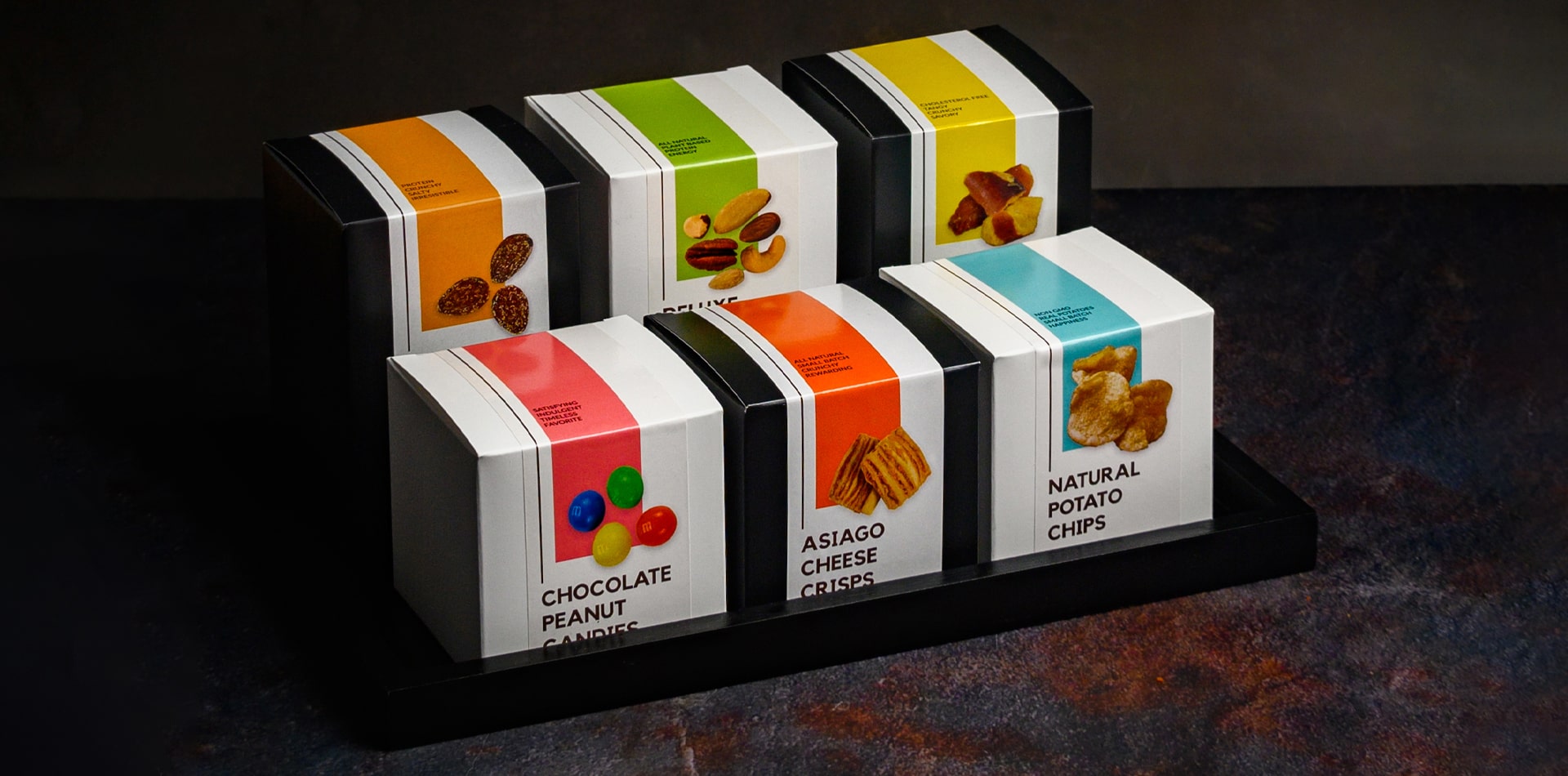
Guests still crave indulgence. But the shift is from mass-produced candy to boutique, flavor-forward chocolates, salted fleur de sel caramels or chocolate-covered berries.
Gourmet Nuts & Spiced Roasts
High-quality nuts—such as cashews, pecans, and pistachios—presented in imaginative flavors like bloody mary or chili lime— offer snack satisfaction with sophistication.
Dried Fruit & Fruit + Nut Blends
Clean-label pairings are trending. Featuring an aesthetically pleasing presentation, they appeal to wellness-minded travelers.
Protein / Functional Bites
Compact bites packed with protein, fiber, or other nutritional benefits are rising in popularity—snacks that feel purposeful, not indulgent.
Savory Snacks & Exotic Crunches
Savory options—such as asiago cheese crisps or plantain chips—balance the sweetness-heavy minibar. Bold, distinctive flavors can surprise and please.
Wellness Superfood Mixes
Snacks with a wellness narrative—such as an organic goji blend and sleep-supporting walnuts —attract guests seeking “snacks with meaning.”
As boutique hotels have demonstrated, turning minibar snacks into a storytelling moment—where provenance and design matter—makes guests more likely to engage.
Summary: Tomorrow’s minibar snack palette is artisanal, striking a balance between indulgence and wellness, and carefully curated to delight—never generic.
How Hotels Can Execute a Modern Minibar Strategy
Here is a narrative roadmap to guide implementation—less checklist, more considered process.
Step 1: Select Strategic Partners
Choose gourmet snack vendors who craft their own food and allow for small-batch runs, packaging flexibility, and custom branding. Prioritize companies with sustainable practices, SQF quality ratings and a capacity for aesthetic presentation. Prioritize demonstrated food crafting, custom branding and sustainability standards.
Step 2: Choose the Right Tech
Decide whether you want fully automated sensor systems or a hybrid model (partial physical + digital menu). Ensure whatever you pick integrates with your PMS / billing systems. Pay attention to refrigeration efficiency and upfront costs.
Step 3: Curate the Assortment
Start with a small but thoughtful lineup: 4–6 premium items + 2–3 wellness picks. Monitor performance and maintain consistent packaging with your property's aesthetic. Avoid overstocking to reduce spoilage risk.
Step 4: Elevate Presentation & Communication
Snack packaging should appear like a boutique gift—not a utility. In-room materials (digital or printed) should highlight the minibar as an experience, not just a vending machine of items that could be found anywhere.
Step 5: Monitor, Iterate & Optimize
Use smart minibar data to identify underperformers or waste. Try A/B testing—e.g., swap one item in one wing of the hotel. Adjust pricing intelligently: a premium markup is acceptable if guests perceive the experience as fair. Keep exploring new snack ideas and packaging innovations.
Through this phased, guest-centered approach, minibars become an extension of your hotel brand, not a relic from the past.
Summary: A successful rollout balances insight, design, tech, and iteration—creating a minibar experience that feels intentional and elevated.
Business & Financial Considerations
While the new minibar model promises guest delight, it must make financial sense.
Capital & Operating Investment
Smart minibar hardware and installation are nontrivial costs. However, many hotels recoup these costs through higher snack margins, reduced labor, and shrinkage (loss) mitigation.
Margin Strategy & Pricing Psychology
Premium snacks can bear higher markups if value is clear—guests expect to pay a premium in a luxury setting, but pricing must not feel exploitative. Transparent packaging and storytelling help justify price points.
Shelf Life & Rotation
Choose snacks with stable shelf life initially, rotate inventory more frequently, and calibrate restocking to minimize waste.
Revenue Uplift Beyond Snack Margins
The minibar’s value isn't solely in snack profits. It enhances guest satisfaction, reinforces brand prestige, and can drive ancillary revenue (e.g., guests trying hotel bar drinks and on-site venues after sampling something in-room).
Sustainability Costs & ROI
Align the minibar with broader sustainability goals (which are increasingly central to brand positioning). In the long run, these investments contribute to guest goodwill, PR, and differentiation.
Clearly, the modern minibar must be considered both a guest amenity and a strategic revenue and brand tool.
Frequently Asked Questions
How is Torn Ranch helping redefine the modern hotel minibar?
Torn Ranch partners with luxury and boutique hotels to transform minibars into premium, brand-enhancing experiences. With over 40 years of expertise in handcrafted chocolates, nuts, cookies, and artisanal snacks, Torn Ranch curates selections that align with each property’s identity—whether that’s wellness-forward, sustainably sourced, or indulgently elegant. Products are hand crafted in California with quality you can taste and presentation that elevates every stay.
Why should hotels upgrade to premium or handcrafted snacks, such as Torn Ranch?
Modern travelers are willing to pay more for authentic, high-quality indulgence. Research shows that minibars offering elevated, locally inspired items can increase usage by up to 25% and enhance guest perception of a property. Torn Ranch snacks deliver that sense of luxury and craftsmanship—bridging the gap between everyday snacking and an authentic boutique experience. The difference is in the details: real ingredients, artful packaging, and a story guests remember.
Can Torn Ranch snacks be customized or branded for my property?
Yes. Torn Ranch specializes in private-label branding and custom packaging that seamlessly integrates your hotel’s logo, message, or seasonal theme. From elegant jars to tins or pouches, every presentation is designed to reflect your unique property aesthetic.
How do Torn Ranch’s offerings fit diverse guest preferences?
Torn Ranch offers a versatile range of snacks that appeal to every guest profile—from premium indulgence (like Chocolate Peppermint Popcorn and Sea Salt Caramels) to lighter, artisanal options (such as Goji Mixes or Berry Blossom Trail Mix). The collection includes vegan, gluten-free, kosher, and organic options, ensuring that every minibar can delight every type of traveler.
How can hotels balance profitability with enhancing minibar quality?
Switching to Torn Ranch doesn’t just elevate perception—it can increase margins. Premium items command higher price points, reducing the “sticker shock” resistance that plagued the presentation of convenience store items at high prices. With smart inventory systems and portion control, hotels can achieve both higher guest satisfaction and better profit per snack.
What’s the best starting point for hotels looking to modernize their minibars?
Start small but smart: 5–8 Torn Ranch products that mix indulgence, artistry, and variety—such as flavored nuts, chocolate chip cookies and a signature popcorn. Use sales data to monitor performance, rotate by season, and highlight limited-edition holiday assortments. Torn Ranch’s hospitality team can help design the right mix, presentation, and rotation plan for your property, as well as share data about what sells best.
How does Torn Ranch support sustainability and responsible sourcing?
Sustainability is baked into Torn Ranch’s philosophy. From compostable boxes and bags and recyclable tins to ethically sourced ingredients, every product reflects environmental care. The company’s Northern California roots influence everything—from local production to a commitment to minimizing transport waste and supporting eco-conscious hospitality programs.
How does Torn Ranch work with large-scale hotel groups or chains?
Torn Ranch’s model is flexible and scalable. For boutique hotels, it provides tailored assortments and small-batch packaging. For multi-property groups, it delivers consistent quality, nationwide fulfillment, and brand-standard packaging—ensuring every guest, from Napa to New York to Singapore, enjoys the same elevated experience.
Where can I learn more or request a minibar consultation with Torn Ranch?
Visit tornranch.com to explore the latest Catalog, or reach out directly to info@tornranch.com for a minibar consultation. Torn Ranch’s hospitality team will help you design a menu that fits your brand, your guests, and your bottom line.
Final Thoughts
The hotel minibar is evolving. The days of overpriced convenience store candy bars and sodas are being replaced by experiences that surprise, delight, and reflect guest values. In the future, guests expect in-room snacks to be purposeful, beautifully packaged, sustainability-minded, and evocative of place through branding or a subtle regional touch.
By combining the five pillars—technology, wellness, personalization, sustainability, and elevated snack design—with intelligent curation and iterative optimization, hotels can transform the minibar into a signature amenity rather than a nuisance.
In 2025 and beyond, the minibar will become a moment of discovery within every stay—a micro-luxury that invites guests to engage with the room, the brand, and local taste in new ways.

Deana Morrow
CEO, Torn Ranch
Deana Morrow is the CEO of Torn Ranch, where she brings together her expertise in hospitality, food, and brand innovation to create memorable, purpose-driven experiences. She loves helping partners elevate their programs through thoughtful design, premium ingredients, and meaningful presentation.
INTERESTED IN WORKING WITH US?
Send us your details and we'll be happy to start a conversation with you!