Executive Summary
Corporate gifting has evolved from an afterthought into a $1.65 trillion global industry projected to grow steadily through 2033 (BusinessWire). Companies today use gifting not only to show appreciation but also to drive loyalty, retention, and brand differentiation. With 80% of companies reporting that gifting strengthens business relationships (Sendoso), and 70% of employees saying thoughtful gifts increase their sense of being valued (GiftaFeeling), gifting has become a critical part of modern business strategy.
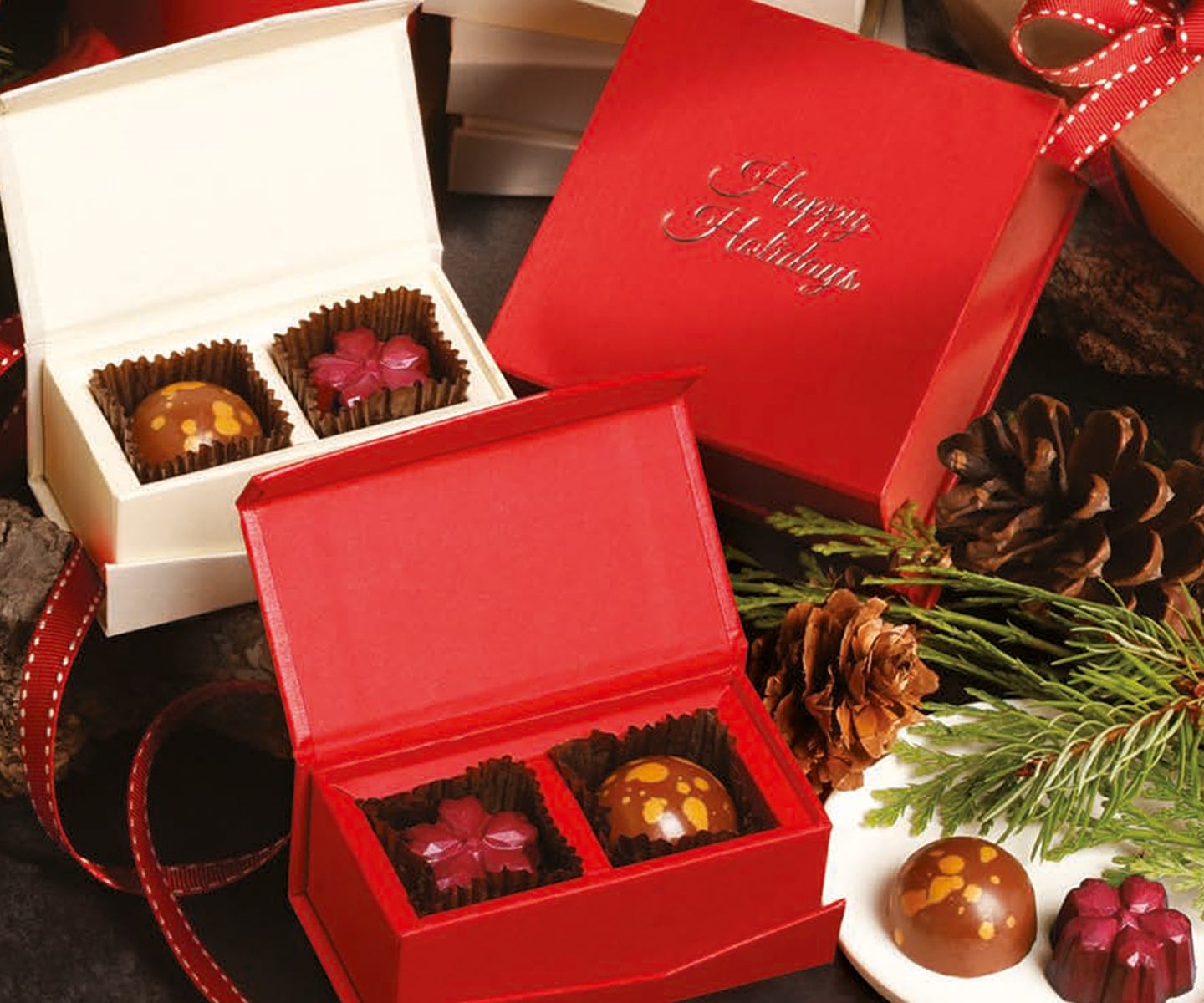
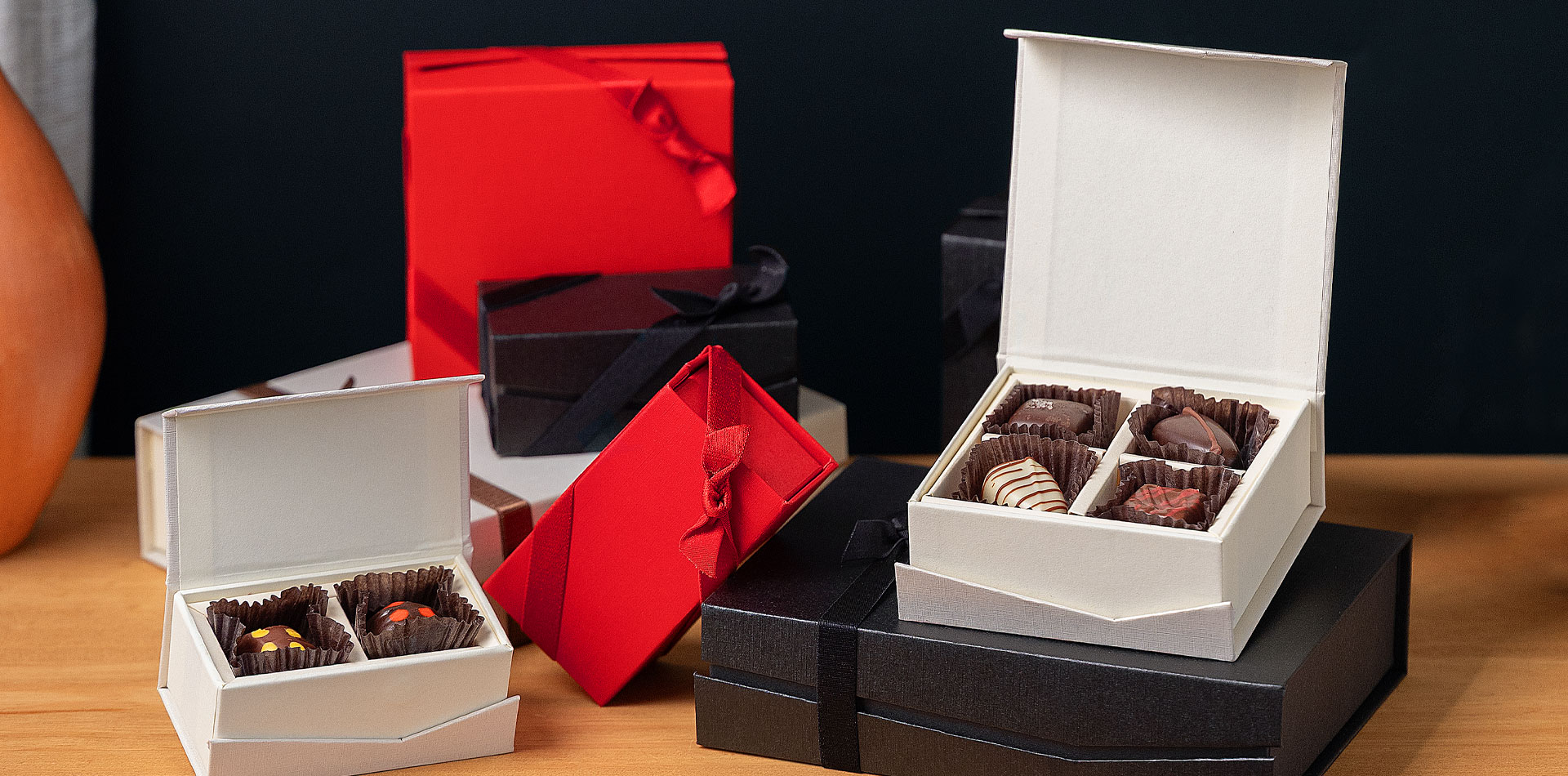
Within this context, luxury food gifts have emerged as a powerful choice. High-end chocolates, nuts, trail mixes, and gourmet assortments strike the right balance between indulgence, wellness, and memorability. Unlike generic merchandise, premium food experiences evoke emotional connections, appeal to a broader audience, and minimize waste.
This article examines the current state of corporate gifting in 2025, supported by key statistics, case studies, and trend analysis. We’ll also share best practices for selecting the right gifts, highlight why gourmet food is outperforming traditional swag, and close with a comprehensive FAQ to help decision-makers craft successful gifting strategies.
Why Corporate Gifting Matters
A $1.65 trillion market size globally by 2033 (Business Wire).
66% of companies use gifting to improve relationships with clients and employees (Sendoso).
80% of recipients say a thoughtful corporate gift improves their impression of the brand (GiftaFeeling).
Personalization matters: Customized gifts are 2x more likely to make a lasting impact compared to generic items (BoxUp Gifting).
Retention impact: 45% of B2B buyers say receiving a thoughtful gift influenced their decision to renew or expand contracts (SHRM).
In a world where digital communication dominates, a tangible, beautifully presented gift cuts through the noise and leaves an impression that emails, swag, and ads simply cannot.
Summary: Gifting is proven to influence loyalty and renewals, making it a measurable business growth tool — not just a courtesy.
Trends Driving Corporate Gifting in 2025
1. Luxury over volume: Companies are shifting from low-value swag to fewer, higher-quality gifts.
2. Food as the gold standard: Gourmet food gifts are increasingly seen as the universal, memorable choice.
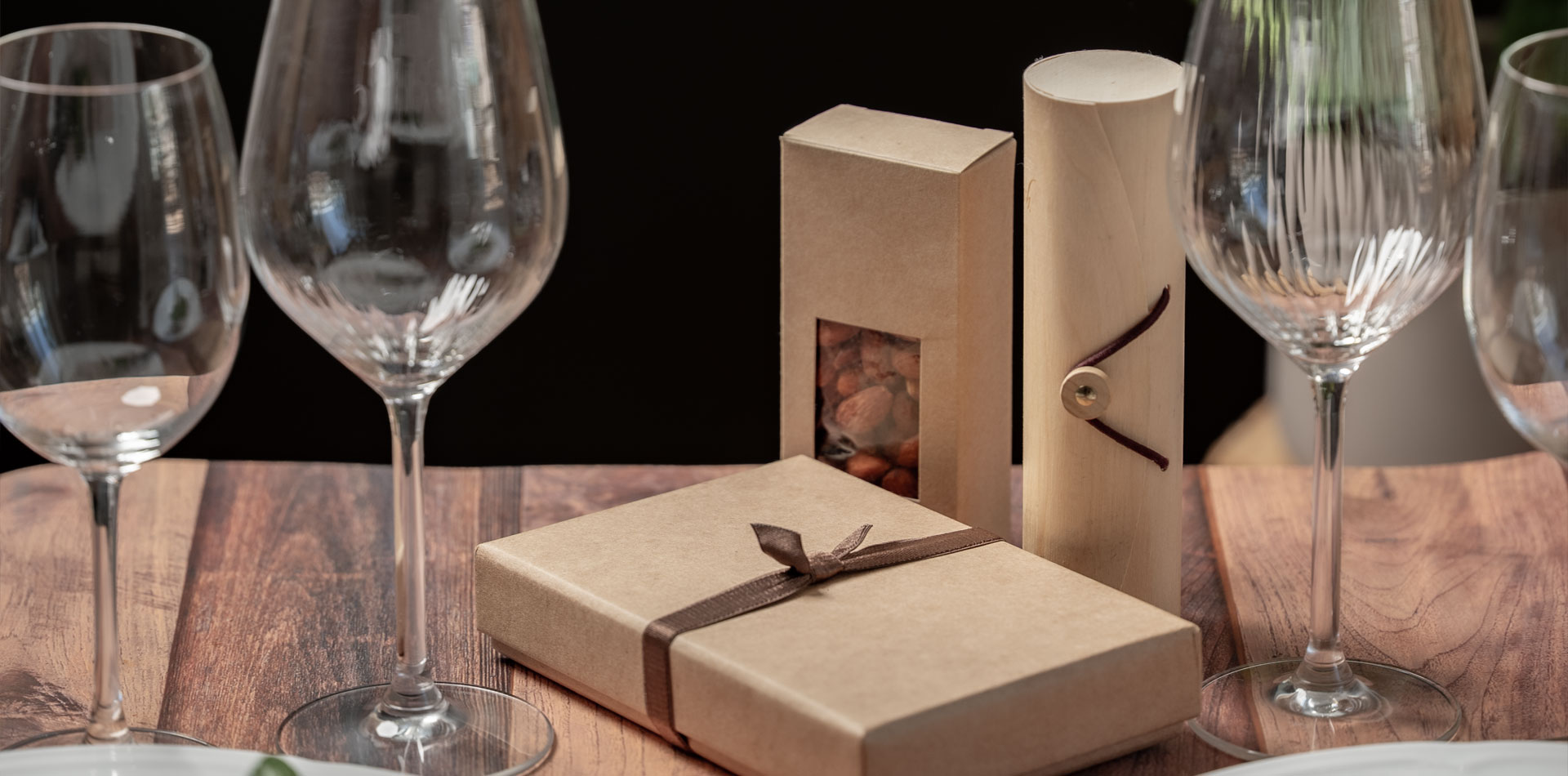
3. Sustainability: Eco-friendly packaging and responsibly sourced ingredients are top considerations (Freedonia Group).
4. Wellness: Healthy snacks, teas, and wellness kits are gaining traction as companies align with employee well-being.
5. Personalization and customization: From monogrammed packaging to dietary-specific assortments, custom touches increase impact.
6. Hybrid work gifting: As remote and hybrid teams continue to grow, companies are using gifting to connect their distributed employees.
Summary: Personalization, wellness, and sustainability define the future of gifting — and gourmet food is leading the charge.
Why Gourmet Food Gifts Work Best
Unlike logo-stamped mugs or t-shirts, food is an experiential product. It appeals to the senses, creating moments of enjoyment, and is often shared with colleagues, friends, or family. This multiplies brand exposure and creates a positive association.
Universality: Everyone eats; food bridges cultures, ages, and roles.
Indulgence meets wellness: Premium assortments often strike a balance between indulgent chocolates and healthier snacks, such as nuts or dried fruits.
Shareability: A box of artisan truffles or a jar of cashews often turns into a group experience, amplifying goodwill.
Less waste: Unlike branded trinkets, food is consumed and remembered without creating clutter.
Summary: Food is universally loved, shareable, and memorable — making it more impactful than merchandise or swag.
Corporate Gifting Statistics That Matter
70% of employees said receiving a meaningful gift improved their loyalty and reduced their likelihood of leaving (GiftaFeeling).
60% of HR leaders budget for gifting as part of retention programs (SHRM).
45% of B2B buyers say receiving a thoughtful gift influenced their decision to renew or expand contracts.
Food gifting CAGR: 5.2% through 2028 (Freedonia Group).
Over 229 statistics exist on gifting, covering everything from spending habits to the impact on ROI (GiftaFeeling).
Summary: The statistics are clear — gifting enhances retention, engagement, and ROI, with food at the center of industry growth.
INTERESTED IN WORKING WITH US?
Send us your details and we'll be happy to start a conversation with you!
Best Practices for Corporate Gifting
1. Know your audience: Consider preferences, dietary needs, and cultural nuances.
2. Prioritize quality: One premium gift is better than five cheap ones.
3. Add personalization: Packaging with company branding or a hand-written note goes a long way.
4. Think seasonally: Holidays, company milestones, or client anniversaries are natural touchpoints.
5. Align with brand values: If your brand emphasizes wellness, opt for healthy assortments; if it emphasizes luxury, choose indulgent options.
6. Measure impact: Track thank-you notes, social mentions, or renewal rates tied to gifting campaigns.
The Future of Corporate Gifting
As corporate gifting continues to grow, companies will increasingly leverage it as a strategic tool, not just a nice gesture. Expect AI-powered platforms to recommend gifts based on recipient data, with a greater focus on sustainability, and even experiential food gifts (e.g., virtual tasting events or pairing kits).
Luxury food will remain central — as one of the few categories that consistently combines universality, memorability, and brand alignment.
Summary: Effective gifting is intentional: quality, personalization, timing, and measurement all drive stronger results.
Torn Ranch: Setting the Standard in Gourmet Corporate Gifting
For over four decades, Torn Ranch has redefined what corporate gifting can be—elevating snacks into experiences that build genuine connection. Every creation begins with ethically sourced cacao, California-grown nuts, and small-batch caramel and toffee, blended for exceptional flavor and presentation.
From artisan truffles and sea-salt caramels to gourmet nut assortments and chocolate-dipped apricots, Torn Ranch gifts are made to impress both clients and colleagues. Each box is hand-assembled, using recyclable tins, compostable wraps, and low-waste packaging, proving that luxury and sustainability can coexist beautifully.
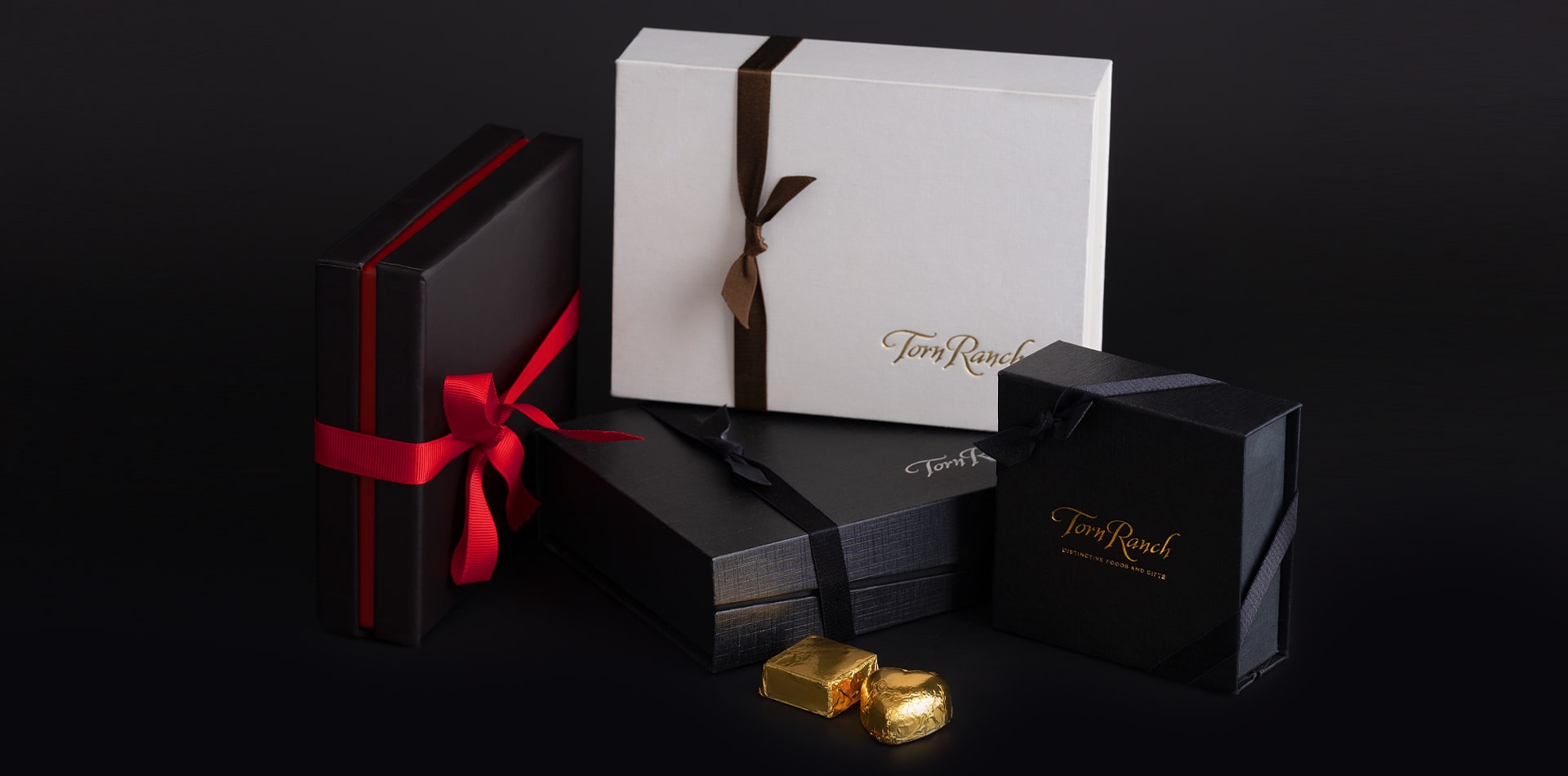
Customization options—such as logo sleeves, etched boxes, and personalized notes—let companies translate their brand values into every detail. Whether you’re thanking a partner, rewarding a team, or celebrating milestones, Torn Ranch makes it effortless to give a gift that’s memorable, meaningful, and responsibly made.
Frequently Asked Questions
Why should companies invest in corporate gifting?
Gifting strengthens relationships, improves loyalty, and differentiates brands in crowded markets. It’s not just a courtesy — it’s a proven business growth tool.
What are the most effective corporate gifts?
Luxury food gifts, personalized items, and sustainable products consistently rank highest in satisfaction and impact.
How much should a company spend per gift?
Depending on the relationship, $50–$150 per gift is common for mid-level clients, while premium clients may warrant $200+ gifts.
Why are food gifts considered better than merchandise?
Food is universally appreciated, shareable, and doesn’t add clutter. It creates a memorable sensory experience that many merchandise items often lack.
What role does sustainability play in gifting?
Increasingly important — recyclable packaging, organic ingredients, and responsible sourcing are expected by many recipients in 2025.
Can gifts be personalized at scale?
Yes. Many vendors offer branded packaging, personalized notes, and even custom assortments for dietary preferences.
How can companies measure the ROI of gifting?
Track client retention, renewal rates, employee engagement scores, and qualitative feedback such as thank-you notes and social mentions.
Conclusion
Corporate gifting in 2025 is no longer optional — it’s an essential strategy for companies that want to build meaningful relationships with clients and employees. Statistics show that thoughtful, high-quality gifts drive loyalty, engagement, and revenue. Within this growing industry, gourmet food stands out as the most effective, versatile, and memorable choice.
Companies that embrace luxury food gifting — and align it with personalization, wellness, and sustainability — will be the ones that transform a simple gesture into a long-lasting competitive advantage.

Deana Morrow
CEO, Torn Ranch
Deana Morrow is the CEO of Torn Ranch, where she brings together her expertise in hospitality, food, and brand innovation to create memorable, purpose-driven experiences. She loves helping partners elevate their programs through thoughtful design, premium ingredients, and meaningful presentation.
INTERESTED IN WORKING WITH US?
Send us your details and we'll be happy to start a conversation with you!
Key Corporate Gifting Statistics (with Sources)
1. $1.65 trillion market size globally by 2033
Source:
2. 66% of companies use gifting to improve relationships with clients and employees
Source:
3. 80% of recipients say a thoughtful corporate gift improves their impression of the brand
Source:
4. Customized gifts are 2x more likely to make a lasting impact compared to generic items
Source:
5. 45% of B2B buyers say receiving a thoughtful gift influenced their decision to renew or expand contracts
Source:
6. 80% of recipients say a thoughtful corporate gift improves their impression of the brand
Source:
7. 70% of employees said receiving a meaningful gift improved their loyalty and reduced likelihood of leaving
Source:
8. 60% of HR leaders budget for gifting as part of retention programs
Source:
9. 229+ statistics available on corporate gifting, covering spending habits, ROI, and impact
Source:
10. Case Study: 45% increase in client thank-you responses when a consulting firm switched from branded merch to gourmet snack boxes.
Source: